Until then - I will give you some thoughts from a field.
Gives Us This Day Our Daily Bread.It's printed on an enamel and iron trivet by my Dad's stove. It's been there since the earliest memories, days waking from the peaceful slumber of childhood, yawning as I entered the safe, warm light radius of the kitchen. Paul Harvey would be on the radio with the rest of the story and Mom would be setting out eggs and hot or cold cereal and milk, toast and fruit. There would be only one box of cold cereal to pick from.
I go to others houses now and there are six boxes of cereal, in various degrees of stale, each person having one, maybe two they like, opened. Not at our house, we didn't waste anything. But the boxes of cereal still takes me back to another day, another thought.
After my Mom died, I knew Dad eventually dated, I just didn't really want to know. I was not yet understanding of the dynamics of that particular loneliness, just wishing it would go back the way it was, the blurred picture in a frame of her, not replaced by someone more alive.
I was just teasing, but he turned all shades of red, and finally admitted he was seeing someone, and they wished to be married but he was afraid I would not approve of him remarrying only a few years after Mom died. She was a widow, a wonderful lady from his hometown in Montana, a close friend of another friend of the family.
They were married on December 29th, when it was 29 below in that little Montana town. The turnout at the little Lutheran church was surprisingly large, it was a wedding, there was alcohol, and 29 below, even without wind chill factored in, is nothing to long time Montana residents or Big Bro and my older step brothers who'd weathered the cold waters of warfare.

At home, and even at school, you ate what was served. If you didn't, you would go hungry. Meat on the table was not often from the store, outside of chicken (though there were two "Easter Chicks" that grew up too fast for a subdivision and mysteriously disappeared to live on some "happy farm with all their friends" (which probably closely resembled a dutch oven.) But even as children, we understood where meat came from, that it was once a living thing, it was a blessing, not something to be wasted. It was not something to be killed for sport and left to rot, but something that was taken for the table, for the lean winter months.
Man has dominion over the animals, a right as fundamental as others we have to protect and sustain our family. But it's a role that should be exercised, not with pride, but with humility, honoring the stewardship we have been charged with, just as we should honor the laws of our God and our community.
Beef was usually half of a steer Dad would raise each year with another family, the animal in a pasture out behind a house. Fish wasn't in sticks or wrapped in rice and seaweed, it was caught in a local river and brought home fresh. Dad's love for fishing was something I never understood until I stood out in a stream in hip boots, as shadows shortened and the birds began their song, finding that the quest for that steelhead was very much like the quest for truth, those fracturable and sinewy threads of existence. As that steelhead fought with the conclusive and futile bid for the fate it had not compassed, I understood that these trips for him, really weren't about the fish.
I once submitted a piece of my writing to a well known fishing and hunting magazine at the urging of one of their editors who is a reader here. I got a personal reply from the editor in chief. He thought the writing was excellent but the work was too "philosophical" for their publication. Perhaps it was, but I never viewed the hunt as a conquering, of high adventure and testosterone, but rather being a witness and participant in a drama that is at once as small as it is large.
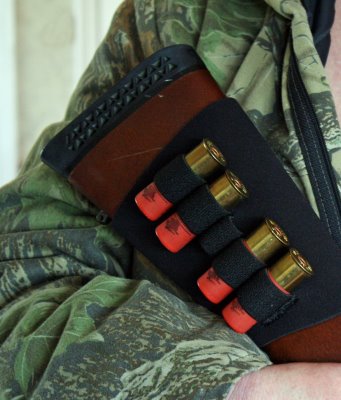
Yesterday, a colleague asked about recent hunting, and we got into the subject of processing the meat. The last deer I took was processed at home, in a kitchen as sanitized as a surgical table, with wicked knives and sweat. It took over six hours to do it by hand in the chilled room, to ensure every bit of connective tissue was removed, every remaining bit of meat saved, from the choicest pieces to the lesser bits. Even the fresh liver was used, to make a pate that would make you swoon, even if you hate liver.
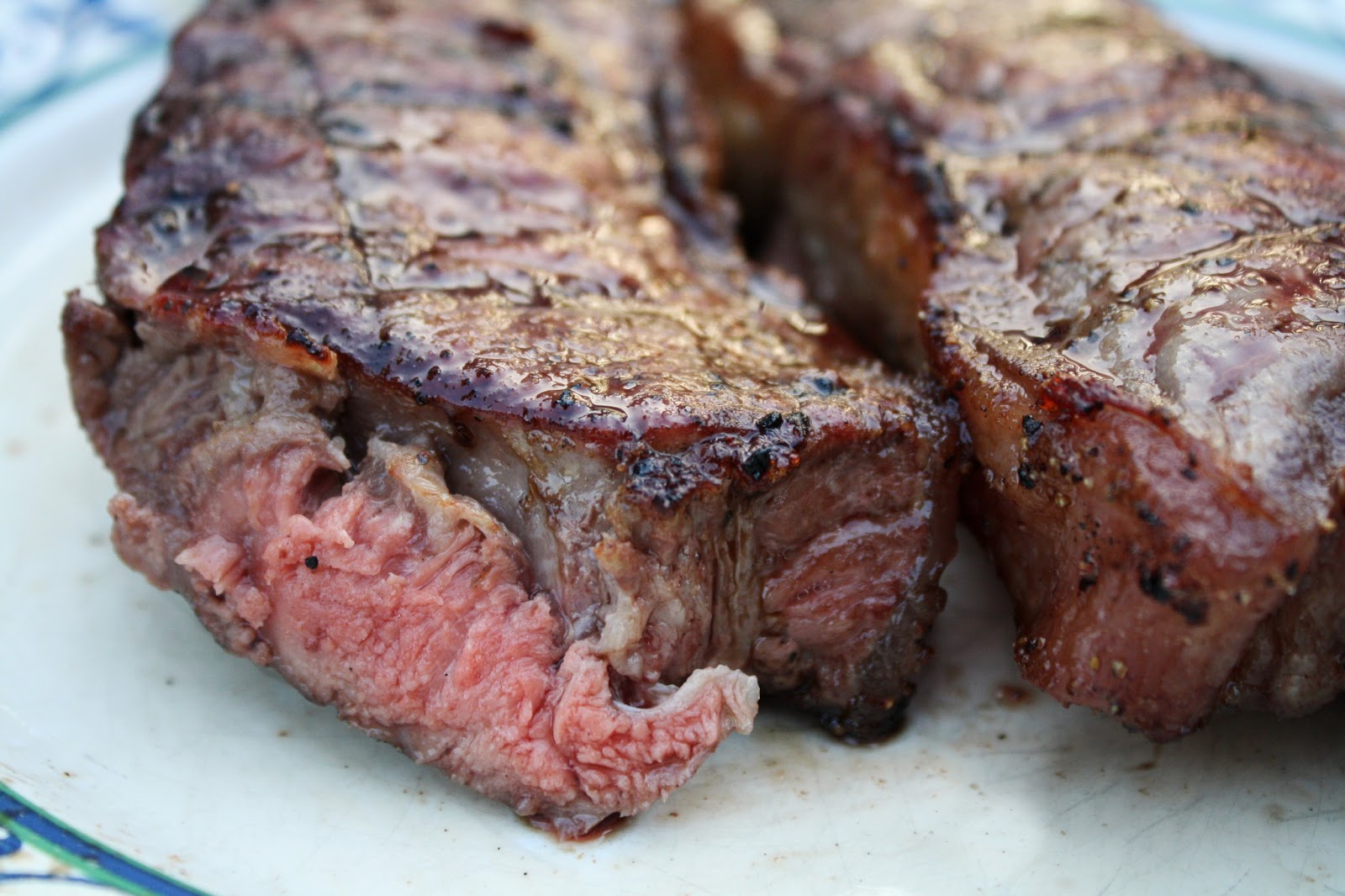
I remember that moment when I first saw the deer, its step like soft silk upon the soil, muzzle moving down to chuff at the water, senses poised even as I said a quiet thank you and raised my rifle. I remember when the shot fired out, and the whitetail leaped forward into the dirt, stomping its shadow into dust, already dead, just not knowing it. In that moment, that absolute and hair-trigger rapport of blood, I had relegated to oblivion some living thing, so that I could live, strong and nourished. In that moment it was freed of hunger and hurt and unclaimed needs, yet in an act of purpose, by my hand. No matter what, that is not something I take lightly, and with the food that sustains me, that is not wasted, I do remember.
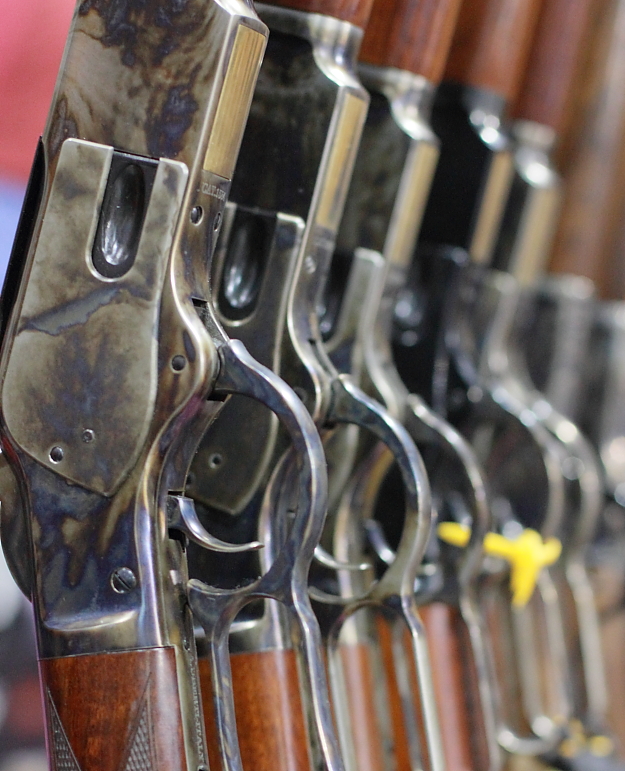
For, like my family before me, I have my firearms. Many of them old, collectors pieces actually, a few simply tools of protections. I don't look at them and see evil. Only he who holds them has that quality. I see them as tools of courage that define a persons freedom, of the mechanical workings of objects which support self sufficiency and strength.
With them, I would protect my family as I would provide for my table. Neither act is to be done without deep thought as to conscious and conduct, the laws of God and the community. Neither are to be done without consideration of consequences for any such actions. For that is what stewardship is.
Then I will clean my firearms. Not just one that is near me in the home should I need it at rest, but also the one that travels with me, where I may be the prey, instead of the predator. ". . . Deliver us from evil."
There is so much more in that simple labor of care than simply the task that's being done. It's the big things and small things that are entwined within the minute details of the ordinary. Things we often take for granted until they are lost, small details in the day, what the living do to ensure life.
- Brigid

